Most clients ask about lip filler massage before they even sit up from the chair. The urge makes sense. You feel swelling, a few uneven spots, and your lips are suddenly the star of your mirror. Massaging seems like the obvious fix. Sometimes it is. Sometimes it is the fastest way to worsen bruising or distort fresh results. Knowing when to leave new filler alone and when to use your fingertips with purpose is the difference between a smooth recovery and a week of regret.
This is a practical, experience-based guide for patients and new injectors. It covers timing, technique, and the edge cases that matter. It also explains when massage does more harm than good and what to do when a bump is not just a bump.
The first 72 hours: what you are seeing, not what you are stuck with
Nearly everyone experiences swelling after lip filler injections, even with microcannula technique and conservative volumes like 0.5 ml. Hyaluronic acid draws water. The body responds to needle passes with inflammation. In the first 24 to 72 hours, the lip filler swelling stages often masquerade as asymmetry. One side looks fuller by morning, then the other by evening. A small pea-like lump under the vermilion border can simply be coagulated blood, not product. If you massage a fresh bruise, you pot-stir the inflammation and spread pigment, which prolongs lip filler bruising and soreness.
During this period, the best lip filler aftercare is mostly restraint. Cool packs wrapped in cloth for short intervals, head elevation while sleeping, and avoiding exercise for a day or two do more for lip filler swelling reduction than kneading your lips. If you feel a sting when you apply light pressure, you are too early.
I discourage massage for the first two to three days in almost every case, unless I have placed a firm directive on your aftercare plan because I felt a product thread that needed early shaping. That is rare. Most contemporary lip filler types are engineered to integrate without help, and heavy-handed manipulation can move gel into planes we do not want.
The anatomy and the filler matter
Not all gels behave the same. A soft, highly cohesive hyaluronic acid filler designed for hydration and subtle definition integrates differently from a more structured filler intended for lift. Your injector’s lip filler techniques and plane of placement determine how readily the product can be shaped. Product placed superficially along the white roll can be coaxed a millimeter or two if addressed within the first week. Product placed deeply for volume should not be chased with at-home massage.
Anatomy adds another layer. The orbicularis oris muscle encircles the mouth. Injector technique might involve intramuscular threads for structural support or submucosal boluses for plumpness. Pressing over the wet-dry border can compress vascular structures and irritate healing tissue. A trained hand can feel planes. Most patients cannot. That is why a blanket rule to massage every lump is a poor plan.
When gentle massage helps
I recommend patient-performed massage in specific scenarios, typically after day three and most often after day five:
- A palpable, mobile, rice-grain bump that sits just under the skin and feels like gel rather than a firm nodule. It should not be tender, red, or hot. A faint step-off along the vermilion border that responds to light pressure and smooths temporarily. A tiny product strand that I pointed out in clinic and marked for you to address with a specific method and schedule.
These small irregularities often reflect product that needs a nudge as swelling recedes. Done correctly, massage can help the lip filler results look more even by the end of week one.
When you should not massage
There are clear times to keep your hands off:
- Within the first 48 to 72 hours unless your injector instructed otherwise. Over visible bruises or areas that feel sharp, hot, or disproportionately painful. When there is marked asymmetry accompanied by blanching, mottled skin, or pain out of proportion. That is a red flag for vascular compromise and an immediate reason to contact your injector. If you have a history of cold sores with an active outbreak. Mechanical irritation can worsen it. When you are not sure what you are feeling. Guessing is a poor strategy with lip filler treatment.
Massage is not a fix for persistent swelling, active inflammation, or suspected infection. It is not a cure for lip filler gone wrong, migration, or overfilling. These problems require assessment, not pressure.
How to do it the right way
If your injector green-lights massage, light and targeted wins. Here is a short, safe protocol you can use, starting after day three unless told otherwise.
- Wash hands thoroughly. Trim nails. Apply a small amount of bland ointment so fingers glide without friction. Pinch the area gently between thumb and forefinger, then roll the tissue lightly for 5 to 10 seconds. Think of smoothing, not pressing. Use the pad of a finger to make tiny circular motions over the bump with minimal pressure for 10 seconds. If the area hurts, stop. Repeat no more than two to three times per day, for two to three days. Reassess rather than escalating.
Overworking the area is the most common mistake I see. Patients who compulsively massage every hour often prolong swelling and create unevenness. Your lip filler healing time is not a race. Short, specific sessions are plenty.
Distinguishing normal swelling from a true nodule
It helps to know what you are feeling. A soft, fluctuant ridge that changes through the day is swelling. A firm, marble-like bump that persists beyond two to three weeks can be a product nodule or a granuloma. These are not common with modern hyaluronic acid lip filler, but they happen. Nodules can be tender or quiet. Massage rarely resolves them once they are established. If you are three weeks out and still feeling the same hard bead, book a review.
Occasionally, I see a patient who mistook a salivary gland for a filler lump. The minor glands along the inner lip can feel like tiny beads, especially when inflamed. Aggressive rubbing makes them angrier. When in doubt, let a clinician palpate and guide you.
Vascular safety is not optional
Any discussion of lip filler aftercare should address vascular risk. The signs are unmistakable once you know them: severe pain, blanching or dusky mottling, and sometimes a net-like pattern that spreads. Massage is not the remedy for this. Immediate contact with your injector is. Hyaluronidase can dissolve hyaluronic acid fillers, and early treatment is the difference between short-lived distress and a preventable complication. Keep your provider’s emergency number. If you are searching “lip filler near me” and booking with someone new, ask about protocols and access to dissolving enzymes before you consent.
What swelling and bruising timelines really look like
Expect peak swelling at 24 to 48 hours, often with mild asymmetry. Many people feel puffy for three to five days. Lip filler after one week should look close to plan, barring normal morning fullness. By two weeks, most of the edema has settled, and photos resemble the lip filler before and after examples you previewed in consultation. If you had 1 ml placed, the difference can feel pronounced in the first week. With 0.5 ml, you may bounce back faster, although healing still follows the same pattern.
Bruising can linger for seven to ten days depending on your tendency to bruise, technique used, and whether you took supplements like fish oil or aspirin beforehand. Arnica may help some patients, but the evidence is mixed. Cold compresses early on, then warm compresses after day two to encourage circulation, are simple measures you control at home. For lip filler bruising tips I give my own patients, the consistent standout is sleep with your head elevated and skip intense workouts for the first 48 hours.
Touch-ups, top-ups, and the pull of perfection
Reality rarely matches a filtered inspiration photo. The best lip filler outcomes respect your anatomy. A lip filler touch up at two to four weeks lets your injector adjust shape once swelling is gone. This is a better path than overfilling on day one to chase symmetry that will shift as edema fades. Massage has a role in smoothing minor edges, but it cannot create a Cupid’s bow that anatomy does not support or correct structural asymmetry in the dental arch.
For clients aiming for a natural look, I often start with 0.5 ml and reassess. For volume seekers, 1 ml can be appropriate, but spacing appointments protects tissue and aesthetics. A lip filler top up sooner than two weeks risks stacking product before you know the true lip filler results timeline.
When massage can mask a bigger issue
Migration, where filler creeps above the vermilion border and blurs the lip line, is usually a placement and product issue, not a massage deficit. Rubbing the filter columns to push product down will not reverse migration and can make the border look swollen and soft. Similarly, massaging a sausage-like fullness in the upper lip is unlikely to narrow it if the filler sits too superficially. These are times to consider lip filler dissolving. Hyaluronidase is highly effective for hyaluronic acid products, often with visible change within 24 to 48 hours. It is better to dissolve and redo than to live with a shape you dislike and try to knead it into submission.
Lip filler vs lip flip, and why massage advice differs
Clients often compare lip filler vs lip flip when deciding how to balance definition, show of the upper lip, and budget. A lip flip uses a small dose of botulinum toxin to relax the orbicularis oris, allowing the upper lip to roll out slightly. There is nothing to massage after a lip flip. In fact, pressing the area risks moving toxin where you do not want it. With filler, the product is tangible. That is why lip filler aftercare includes targeted massage in a few cases, while post-lip flip care is mostly about leaving it alone.
What your injector should tell you before you leave
A thorough lip filler consultation sets expectations about the lip filler process, pain level, recovery timeline, and the role of aftercare. You should know where the product was placed, what lip filler techniques were used, and what to expect over the next week. Village of Clarkston, MI lip filler You should also have personalized guidance on massage, clear red flags to watch for, and how to reach your provider. If you are still scrolling lip filler reviews the night before your appointment, add one filter: does the clinic give you specific, written aftercare that feels practical and not boilerplate?
Clinics vary on whether they recommend massage. That is fine. Techniques, product choices, and injector philosophy differ. The key is alignment between their method and your aftercare. When in doubt, follow the person who put the product in your lip.
Cost, longevity, and the myth that massage changes duration
Clients ask if massaging makes filler last longer or shorter. It does not, not in any meaningful way. Lip filler longevity depends on product selection, metabolism, placement, movement patterns, and volume. Most hyaluronic acid lip fillers in the lips last about six to twelve months, with many seeing a noticeable fade by month nine. A lip filler 0.5 ml appointment will generally look subtle and may feel like it fades faster simply because there was less product to start. A 1 ml session gives more impact but still relies on sensible maintenance. Massage does not change the chemistry of crosslinking or how your body degrades HA.
Lip filler cost varies widely by region and product. A realistic range in many markets is 400 to 900 per syringe, with experienced injectors, premium products, and longer appointment times sitting at the higher end. Do not let a discount steer you toward a clinic that cannot articulate safety protocols or address complications. If you are searching “lip filler near me,” prioritize skill and access, not price alone.
A few practical realities from the chair
Not every bump is product. I have pressed on clotted tracks that felt like a string until day four, then melted away without a fingertip laid on them. I have also seen the outcome of overzealous massage: a right upper vermilion that looked flattened because the patient ironed the border daily for a week. She thought she was helping. We dissolved and rebuilt a month later.
I have watched athletic clients swell more on day two because they slipped in a workout, then blamed a lump that was simply fluid. I have had a meticulous patient who followed a short massage plan and, by day seven, could not find the small ridge we marked on her phone photo at day five.
The lesson is not that massage is good or bad. It is a tool. Used sparingly and at the right time, it smooths edges. Used reflexively, it muddies results.
Common myths, corrected
Massage prevents migration. No. Migration stems from placement, product, and pressure over time, including habitual pursing. Proper technique and appropriate volume are the guardrails.
You must massage to get natural results. No. Most modern lip filler integrates without any manipulation.
Pressing harder works better. No. Gentle, specific, and brief is the formula. If pressure hurts, you are inflaming tissue.
If you can feel it, you should fix it. Not always. The lips are sensory rich. A small bead that only you can feel with a hunt-and-peck search is often a non-issue. Give it two to three weeks before judging.
Who should not self-massage at all
If you have a bleeding disorder, take anticoagulants, have active skin infections, severe acne around the mouth, or a history of hypertrophic scarring on the lips, you should avoid massage unless your injector explicitly instructs you. For patients with recurrent herpes simplex, any irritation that risks a flare should be minimized. Prophylactic antivirals can be used around the lip filler appointment, and that plan should be part of your consultation.
What to do if a concern persists
Give your lips two weeks before making big calls. If by then you still see a bump, asymmetry, or a shape you dislike, schedule a review. Bring your day one, day three, and day seven photos. Your injector can palpate, distinguish product from tissue, and offer options: targeted massage in-clinic, a small touch-up, hyaluronidase for a stubborn nodule, or a plan to adjust technique next time. Sometimes the best solution is a tiny lip filler adjustment, like a 0.2 ml thread in the left lateral tubercle, not a full top up.
The value of technique over therapy
Clients often credit their lip filler massage routine for good results. In my experience, good technique, thoughtful product choice, and measured volume make the biggest difference. Massage is the finishing brush, not the foundation. If your injector used a technique suited to your goals, placed product in the correct plane, and respected proportions, your lips will behave as intended with minimal coaxing.
A short decision guide you can screenshot
- If it is the first 72 hours and you feel lumpy, wait. Cool, rest, and reassess on day four. If the spot is tender, bruised, red, or warm, do not massage. Contact your injector if concerned. If you feel a small, soft, mobile bump after day five and you have no bruising, try a gentle 10-second smooth with clean fingers, twice daily, for two days. If nothing changes by week two or a firm bead persists by week three, book a review. Consider dissolving if advised. If you see blanching, mottling, or feel severe pain, stop everything and call your injector immediately.
Final thoughts from the treatment room
Lip filler has a learning curve for patients, not just providers. Your first appointment teaches you how your body swells, how you bruise, and how your lips carry product. You learn whether 0.5 ml gives enough definition for your lip lines or whether 1 ml better balances your face. You learn what you can ignore and what needs attention. Massage fits into that education as a small, careful tool.
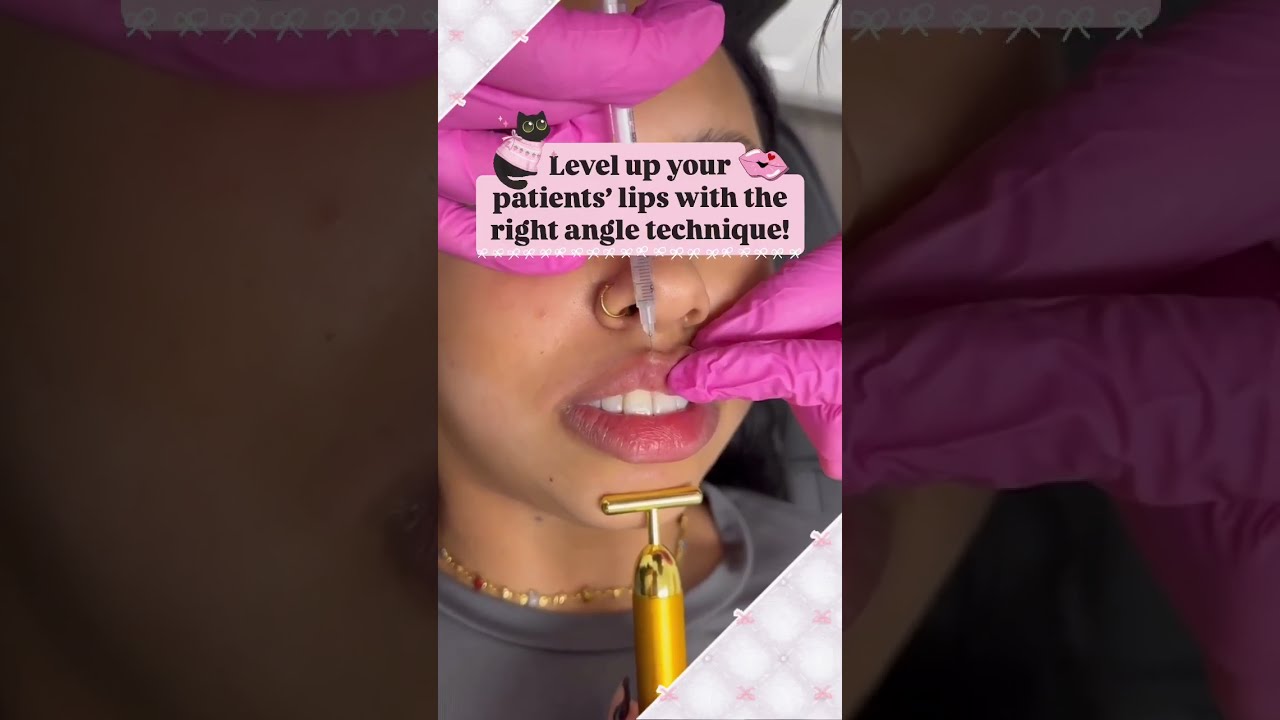
Aim for the least you need to do. Trust the plan you and your injector made. Use massage sparingly, at the right time, with the right touch. If your instincts urge you to squeeze every hour, put the mirror down, go for a gentle walk, and let biology do the heavy lifting. The most consistent Click to find out more lip filler benefits come from patience, not pressure.